
A Trusted Partner in Pump Solutions
Rotech Pumps is a global innovator in fluid handling solutions, delivering precision-engineered equipment trusted by industries worldwide. Committed to excellence in quality, reliability, and customer support, we empower businesses with cutting-edge solutions that drive efficiency and performance. With a relentless focus on innovation and adaptability, Rotech ensures industries keep moving forward. Our core values—Quality, Commitment, and Adaptability—define everything we do.
Rotech strives to provide best quality products, at competitive prices with minimal lead time. It is the Rotech guarantee you cannot find better support, service and quality solutions in one package.

Rotech PRODUCTS
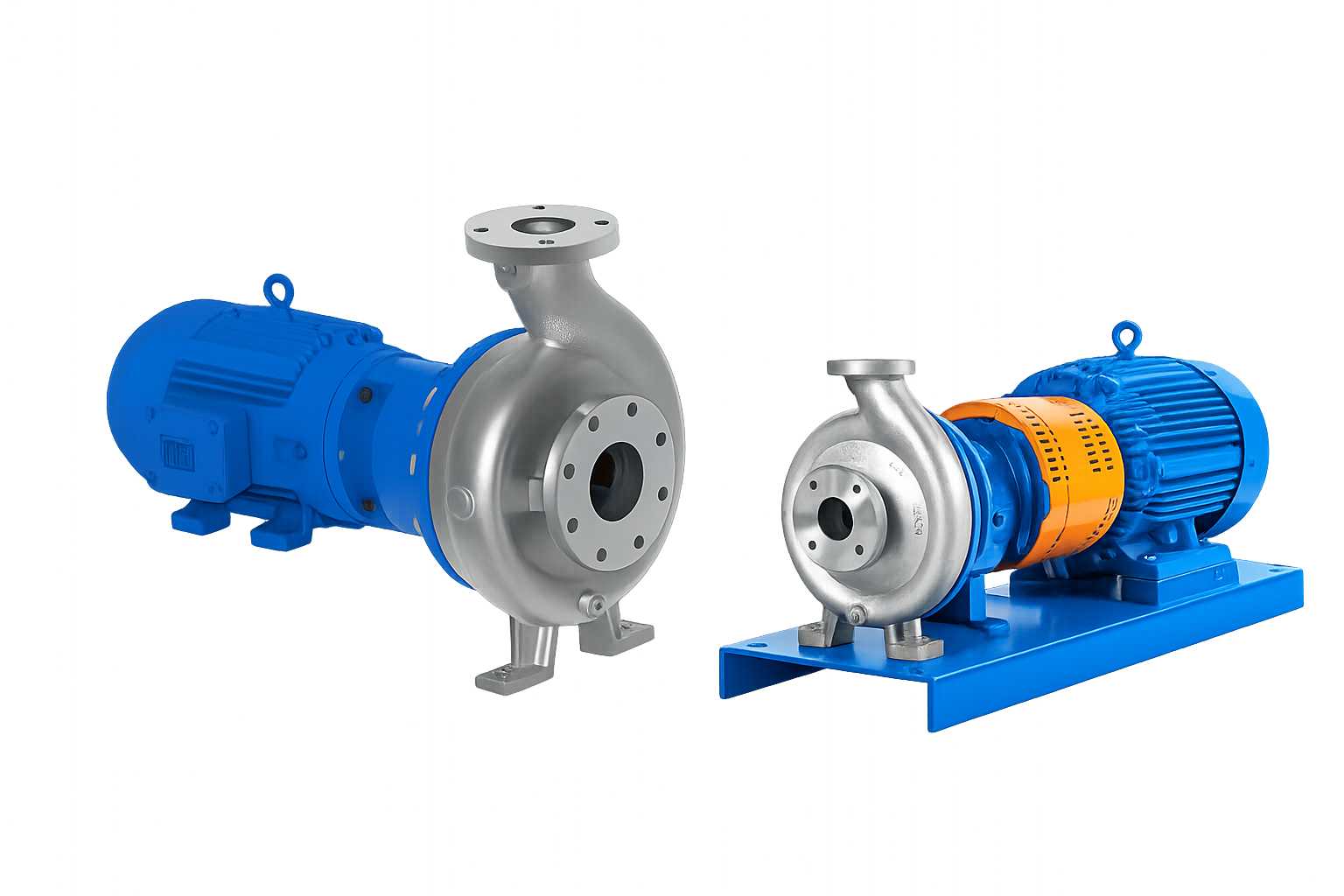
ANSI PROCESS PUMPS - ANSI LOWFLOW PUMPS - ANSI CLOSE COUPLED PUMPS - ANSI SELFPRIMER PUMPS - ANSI REVERSE VANE PUMPS
Centrifugal pumps are the most common type of pump and are simple in construction and concept. An ANSI centrifugal pump will start with converting a motor’s mechanical energy into kinetic energy. This kinetic energy then turns into potential energy, which is in the format of pumped fluid’s pressure.
Numerous End users in Water, wastewater Oil & Gas, Petrochemical, Chemical are nowadays on the lookout for premium ANSI centrifugal pump manufacturers who come up with equipment that lasts and delivers a high-efficiency service throughout its lifetime. Rotech Pumps & Systems Inc offers ANSI Process Pumps that customer can lay their trust upon. The best part of Rotech pumps & Systems Inc is that they offer an elaborate range of quality pumps in minimum lead times at competitive pricing.
SELF PRIMING CENTRIFUGAL PUMPS
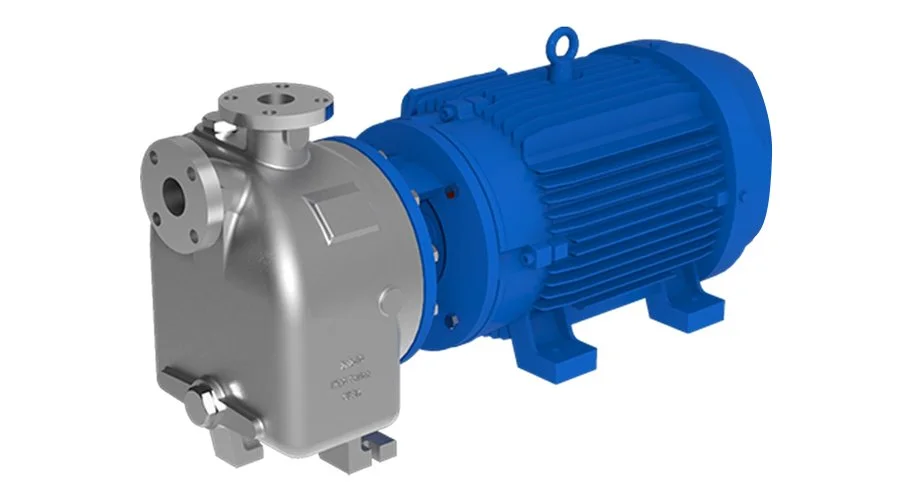
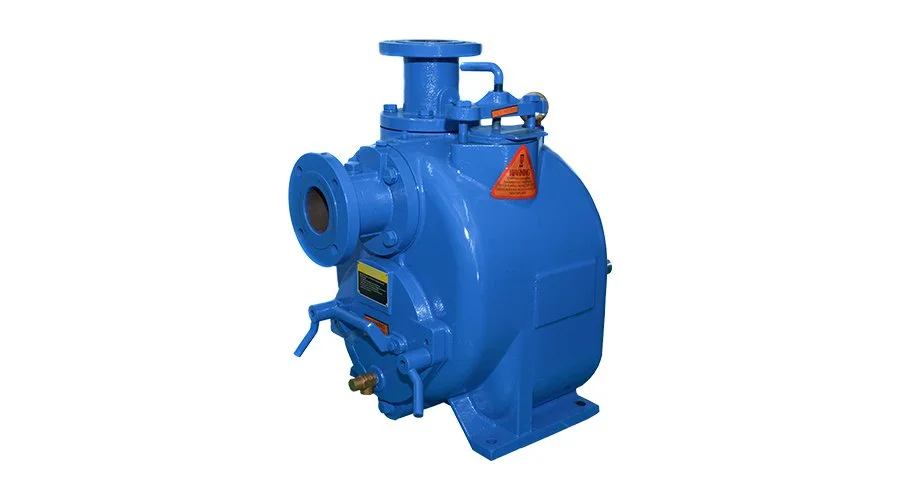
SELF PRIMING TRASH PUMPS - SELF PRIMING PROCESS CENTRIFUGAL PUMPS - SELF PRIMING FRAME MOUNTED PUMPS
Welcome to Rotech Pumps, a global leader in manufacturing high-quality self-priming centrifugal pumps. Our self-priming centrifugal pumps are designed to handle a wide range of liquids, solids, and challenging environments, making them ideal for various industries and applications, from trash pumping to process centrifugal pumping. With our advanced engineering and manufacturing processes, we offer reliable, efficient, and durable pumps that deliver optimal performance in demanding conditions.
Rotech Pumps is a renowned brand known for its expertise in manufacturing self-priming trash and process centrifugal pumps. Our pumps are designed to provide exceptional performance, reliability, and durability in demanding industrial environments. With a reputation for reliability and performance, Rotech Pumps has become a trusted name in the industry for self-priming pumps.
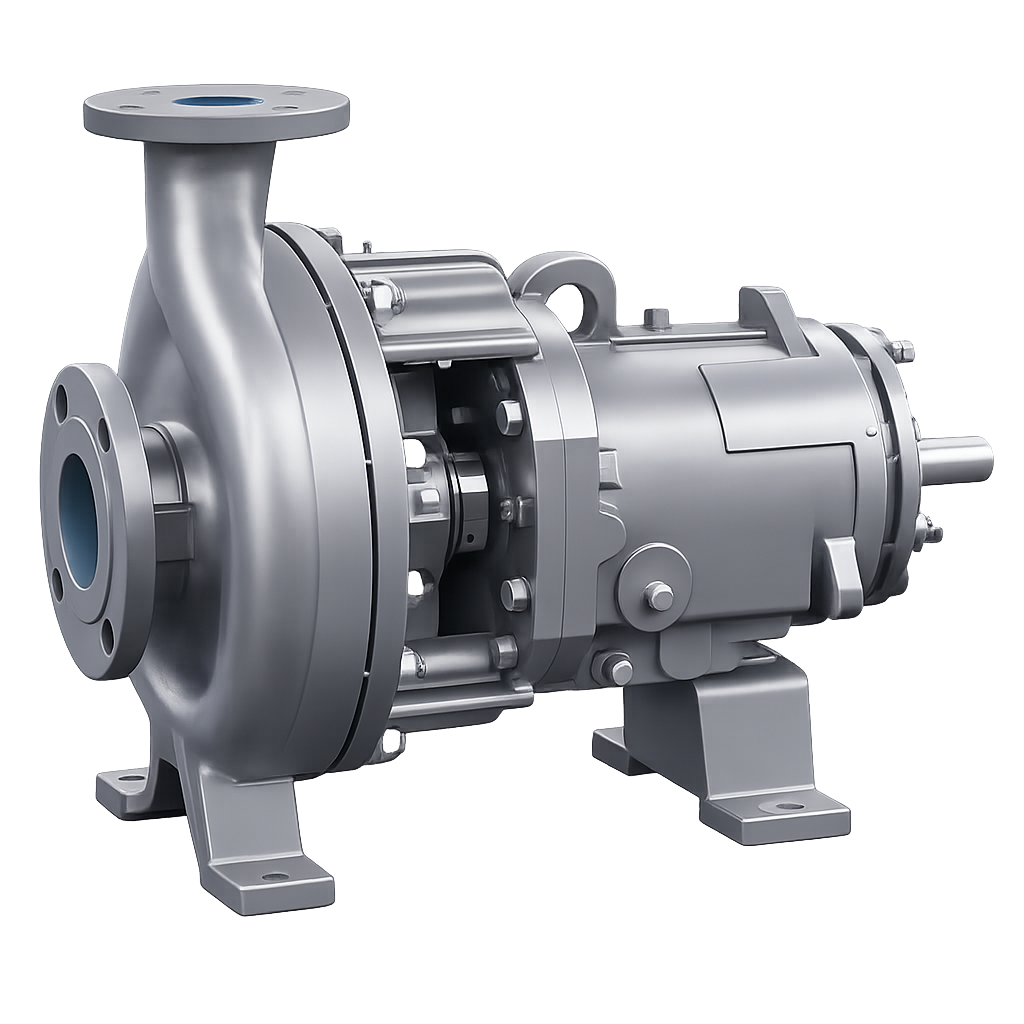
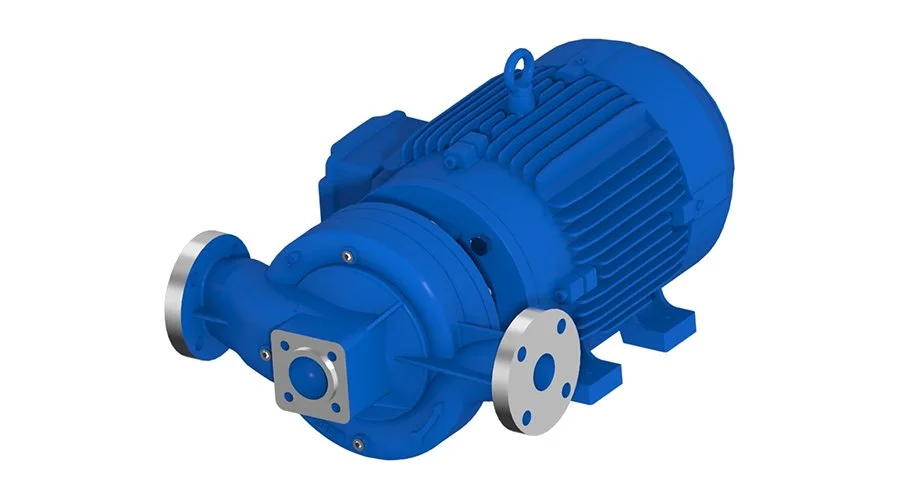
ROCHEM CLOSE COUPLED PUMPS - ROCHEM FRAME MOUNTED PUMPS - ROTHERM HOT OIL PUMPS - RHS HORIZONTAL SPLIT CASE PUMPS
RoChem Series Close Coupled Pumps are designed with a closed impeller and conforms to ISO 5199 / ISO 2858. These are highly efficient pumps and available in various Materials of constructions such as CI, DI, Stainless Steel and Its alloys, Duplex and Super Duplex steel, Nickel based Alloys, Titanium, and other Exotic Materials.
Rotherm Pumps Series is specially designed for high temperature Thermic Fluid applications. Rotherm Casing options are available in foot mounted and Centerline mounted design. It’s finned designed power end works as a radiator which is used to increase surface area of the bearing frame, which helps in lowering bearing temperature.
The RHS Series by Rotech Pumps delivers industry-leading reliability and efficiency in horizontal split-case pumps. With over 60 models designed for optimal flow, low noise, and extended service life, the RHS line is your go-to solution for municipal, industrial, and utility applications. Designed around real-world needs with rugged construction and low lifecycle costs, the RHS Series keeps operations running smoothly—where it matters most.
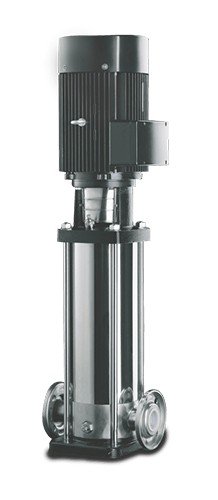
VERTICAL INLINE PUMPS - VERTICAL MULTISTAGE PUMPS
Vertical Inline Pumps are close coupled pumps designed for easy installation and can be mounted to a pipeline. The Suction and Discharge connections are on the same center line in opposite direction at 180º apart.
RVM/RVMS is vertical non-self priming multistage centrifugal pump, which is driven by a standard electric motor. The motor output shaft directly connects with the pump shaft through a coupling. The pressure-resistant cylinder and flow passage components are fixed between pump head and inlet & outlet section with tie-bar bolts. The inlet and outlet are located at the pump bottom at the same plane.
SEAL SOLUTIONS & BALL CHECK VALVES
click on a product above to learn more…
Need Help Selecting the Right Rotech Pump?
Not sure which Rotech pump is right for your application? PrimeFlo Industrial can help evaluate your operating conditions, recommend the appropriate pump and materials, and provide a competitive quote for genuine Rotech equipment and replacement parts.
Contact PrimeFlo Industrial today to discuss your application.
Why should you Choose Rotech ANSI Pumps?
While Rotech pumps cater to the requirements of customers, they are made to meet diverse industrial applications as well. By simplifying tasks, Rotech’s centrifugal pumps aid with getting better results.
Each of the ANSI Process Pumps that Rotech designs, builds and tests as per the International Quality Standard. The top features include high strength carbon steel frame adapter material and steel liquid end, upgraded bearing lubrication, and additional casing thickness for a longer bearing life.
What is an ANSI pump?
ANSI Stands as American National Standards Institute (ANSI) and Pump specification conforms to asmeb73.1 Standard. They are also known as ANSI centrifugal pumps or simply ANSI pumps. Going by the definition, such a chemical pump is supposed to be horizontal, centerline discharge, and end suction single stage. Irrespective of the pump manufacturer who creates these pumps, they’d be comparable in dimension and size.
So, ANSI Process Pumps should meet the ANSI / ASME B73.1 standard of the American Society of Mechanical Engineers (ASME).
What does the ANSI / ASME B73.1 standard say?
It was in 1974 that the ANSI B73.1 standard was first published. Thereon, the committee has stayed active to define the standards for 27 pump sizes via several revisions.
ANSI B73.1 standard is the specification for horizontal, single-stage centrifugal, end suction pumps that are used for chemical processes. The standard covers metallic centrifugal pump designs.
As per the ASME B73.1 standard, dimensional interchangeability requirements, design, and configuration features are defined for pump manufacturers. Beyond facilitating installation, this also enhances the pump unit’s safety and reliability.
Furthermore, these standards define the recommended practices and guidelines associated with the maintenance of these process pumps. The key focus area of this standard is that the equipment manufactured by all ANSI pump manufacturers should be interchangeable. This is with regards to mounting dimensions, input shafts, discharge nozzles size and location of suction, input shafts, foundation bolt holes, and baseplates.
The standard also considers alternate designs, but they should meet the standard’s intent and cover performance and construction-related specifications in equivalence with those specified.
Applications of ANSI pumps
The key area of usage of ANSI chemical pumps are oil & Gas, Refineries, petrochemical, and chemical industries. But a few of the other prime areas of application include paper stock, pharmaceutical, ethanol production, food processing, and many other process plants.
ANSI pumps are most frequently used for pumping thin fluids like alcohols, water, and other less aggressive fluids. Based on the type of impeller that is in use, ANSI pumps can pump fluids with solids as well. Furthermore, when the material selection is right, then ANSI pumps can transfer the aggressive liquids that are highly corrosive.
Benefits of ANSI pumps
By using ANSI pumps, the possibility of switching brands and pumps is available before plant operators. This is without having to redesign or change motor attachment, baseplate dimensions, coupling, or piping. Other benefits are:
Dimensional interchangeability across brands and manufacturers
High availability of ANSI parts and pumps
Higher affordability when compared to API pumps
When the right sort of impeller is used, ANSI pumps can pump fluids with solids in suspension
ANSI vs API pumps
Now, having discussed ANSI pumps, we can discuss the differences with API pumps. Users often tend to get confused among ANSI pumps and API pumps. At times, it may so happen that a user may go ahead with an ANSI pump which is less expensive when the application demands an API pump. It may so be possible that the API pump would be able to accomplish the requirements more efficiently at a lower operating cost. Some cases are such as well, in which, a user installs an API pump but the same job could have been handled by an ANSI pump as well. So, choosing between the two pumps becomes very important. This varies by the application that you intend to put the pump to.
In the case of API pumps, the standards established by American Petroleum Institute (API) are followed. So, API pumps are now the preferred alternative for aggressive oil refinery processes.
API pumps are ideal for operation in high temperature, high pressure, and heavy-duty applications.
ANSI standards are dimensional. But, API 610 centers on the performance, construction, and design of process pump that are used to transfer high-temperature liquids in the oil and gas industry.
In the case of ANSI pumps, not too many construction and design features that have been specifically mandated for the tough conditions encountered by API pumps are incorporated. Nevertheless, ANSI pumps are high scorers in the terms of reliable operation and flexibility. They work across a range of applications and the cost of usage is mitigated. ANSI pumps are hence fast becoming the preferred pumps for chemical processing.
ANSI and API pumps are two entirely different styles of process pumps. When a user is able to identify his application requirements, he can choose the best fit pump among the two for the processes.
The similarity between ANSI and API pumps is that they are both single-stage centrifugal pumps. Since the designs of both the pumps feature a back pull-out arrangement, this makes the maintenance of the pumps easy. The pumps primarily employ a single volute design in the interior passages of the casing. Nevertheless, for reducing thrust loads, larger API pumps are engineered with a double volute design.
The pump casings in ANSI and API pumps are also different. The difference lies in the way in which the back cover has been secured to the casing.
What is an API Pump?
An API pump will meet Standard 610 for General Refinery Service as has been set by the American Petroleum Institute (API). API is a U.S. trade association for the oil and natural gas industries, and it develops standards for petroleum and pharmaceutical equipment.
Ratings of ANSI and API pumps are remarkably different, as API pumps are primarily meant for more aggressive applications in the oil and gas industry.
ANSI Pump Rating: 300 psig at 300℉
API Pump Rating: 750 psig at 500℉
Benefits
Created to withstand higher pressures and temperatures
Feature higher capabilities for handling fluids that could lead to environmental damage
Designed to control emissions, as specified by EPA
Drawbacks - While being more expensive, API pumps are also not as flexible or readily available as ANSI pumps.
So, which pump should one go for, API or ANSI?
Generically, ANSI pumps are going to provide a reliable service for a host of applications. In particular, for chemical processing, they make the pump of choice. ANSI pumps will introduce a great degree of ease and flexibility to the operations.
But API pumps are heavy-duty pumps. They make the ideal choice for high-temperature and pressure applications. In particular, for aggressive oil refinery processes, API pumps should be used.
The rule of the thumb to keep in mind is that while ANSI pumps handle a range of different fluids, they cease to be high performers when it comes to moving highly viscous or thick materials. API pumps, on the other hand, are heavy-duty performers and manage this task reasonably well. API pumps also feature capabilities to control emissions based on EPA requirements.
Rotech Resources
Access official Rotech literature, technical documentation, and engineering resources to help with product selection, installation, maintenance, and troubleshooting.
Description
Product brochures, engineering guides, and catalogs.
Service and maintenance manuals for Rotech pumps.
Full List of Rotech Products.
Explore More from Rotech
Visit the official Rotech website to browse product literature, maintenance manuals, technical documents, and the complete Rotech product line.
Contact us
Please provide the details below and a PrimeFlo Industrial representative will follow up with availability, pricing, and lead time.